Book the Canadian Rockies at the Perfect Moment

Today we explore the best times to book Canadian Rockies tours by season, so you can match unforgettable scenery with smart planning. Learn when to reserve trains, shuttles, guides, and hotels for peak summer mountain magic, golden autumn larches, gushing spring waterfalls, and serene winter sparkle. Discover booking windows, crowd patterns, and insider timing that protect your budget, preserve flexibility, and keep the wonder front and center. Share your preferred travel month and we’ll help you refine a date strategy.

Season-by-Season Snapshot of the Rockies

Spring Awakening (April–June)

Rivers roar with snowmelt, waterfalls peak, and wildlife becomes active along valley floors while alpine trails may still hold snow. Book guided tours and hotels 2–4 months ahead for late spring, especially weekends, to catch blooming wildflowers and quieter viewpoints. Some roads and facilities open progressively, so confirm operating dates before locking flights. Flexibility pays: a backup day for weather can mean sunrise reflections on mirror-still lakes instead of stormy skies.

Summer High Season (July–August)

Iconic turquoise lakes, warm temperatures, and long, lingering twilights attract the largest crowds. Secure accommodations, popular guided hikes, gondola rides, and the Rocky Mountaineer 6–9 months in advance for best choices and prices. Early morning start times and late-evening return slots reduce congestion while maximizing photography light. Expect peak pricing and limited last-minute availability. Timed shuttles to busy areas fill quickly, so book those slots alongside lodging, not as an afterthought.

Autumn Glow (September–October)

Crisp air, fewer visitors, and brilliant larch needles spotlight early fall, especially late September. Reserve rooms and key tours 3–6 months ahead for prime weekends, and aim weekday stays for better value. Wildlife activity remains compelling, with the elk rut audible in meadows. Nights grow longer, inviting dark-sky experiences around Jasper. Light snowfall can appear at higher elevations, so keep a flexible day for shifting between valley lakes, golden forests, and clear-night stargazing.

Plan for Peak Demand
For July and August, lock in hotels 6–9 months ahead, trains 6–12 months, and must-do attractions as soon as schedules publish. Popular experiences—like glacier tours, summit gondolas, and marquee scenic viewpoints—can disappear closer to travel. Schedule premium sunrise options early, then build days around them. Consider refundable rates or generous-change policies, which safeguard coveted reservations while preserving agility for weather shifts or new inspiration that emerges closer to departure.

Leverage Shoulder Months

Late spring and early fall reward planners with meaningful savings and more availability. Book 2–4 months in advance to snag favorable rates while retaining choice. Watch for midweek discounts, bundled experiences, and off-peak time slots where light is gorgeous and crowds thin. Use fare alerts and flexible cancellation windows to upgrade when deals appear. If your dates float, compare consecutive weeks; a small departure shift can unlock better rooms, calmer trails, and engaging local guides.

Nature’s Highlights Calendar

Align bookings with what you most want to see. Spring cascades and newborn wildlife, summer wildflower meadows, autumn gold on high ridges, and winter’s luminous skies each shine at specific moments. Guides amplify timing, locate safe vantage points, and handle logistics that independent travelers might miss. Use these notes to identify your must-catch spectacles, then secure the tours and transport that place you exactly where magic happens, at precisely the right hour.

Wildlife Encounters and Safety

Bears and ungulates are most visible at dawn and dusk, particularly May through June and again in September. Book guided wildlife drives or interpretive walks to learn respectful distances, behavior cues, and ethical photography etiquette. Autumn brings the elk rut, an unforgettable soundscape best appreciated with expert guidance. Remember closures and seasonal restrictions protect animals; planning ahead ensures you experience responsible, remarkable encounters without stress. Share your wildlife priorities, and we’ll suggest routes and ideal dates.

Wildflowers, Waterfalls, and Glacier Mornings

Waterfalls usually peak in late spring as melt surges through canyons, while subalpine meadows burst with color mid to late summer. Sunrise on glacier-clad summits paints fields and lakes with delicate pastels. Book early-morning tours and transportation windows to arrive before busier hours and wind. Flexible itineraries let you pivot between elevations for the best bloom stage. Guides track conditions daily, helping you catch fleeting color at its absolute apex, camera ready and crowds comfortably distant.

Larch Season and Golden Ridges

Late September to early October, alpine larches ignite into gold for a brief, spectacular window. Access to hotspots often relies on shuttles, guided hikes, or strict parking controls; seats disappear quickly. Reserve transport and tours months ahead, aim for weekday dates, and keep a weather buffer. Cooler air clarifies views, and earlier sunsets unlock long golden hours perfect for photography. Share your fall week options, and we’ll help pinpoint the likeliest days for peak color.

Weather, Roads, and Operational Changes

Seasonal operating dates shape what you can reach and when. Some alpine roads open late spring, while higher trails hold snow even into July. Certain lakes require shuttle reservations because private vehicle access is restricted. Summer can bring wildfire smoke, and autumn storms may dust passes. Understanding these timelines guides smarter bookings: slot key experiences after openings, line up shuttles early, keep weather-safe backup plans, and choose policies that let you pivot without penalties when conditions change.

Opening and Closing Dates You Should Know

Access to signature lakes and high-country roads typically begins in late spring and often ends in early fall, though exact dates vary by snowpack and maintenance. Private vehicle restrictions exist at some iconic lakes, requiring advance shuttle bookings. Popular trails may lag in melting, shifting ideal hiking dates. Before locking flights, cross-check park bulletins and attraction calendars. Reserving critical experiences for later days in your itinerary adds insurance against late openings or lingering snow on north-facing routes.

Smoke, Storms, and Backup Plans

Summer occasionally brings wildfire smoke, reducing visibility and impacting outdoor comfort. Meanwhile, fast-changing mountain weather can add surprise showers or brief snow at elevation. Protect your trip by scheduling indoor interpretive centers, canyon boardwalks, or spa afternoons as switchable backups. Choose tours with flexible rescheduling, and consider travel insurance that supports pivots. Booking two sunrise attempts raises your odds of clear reflections and calm winds. Ask us for contingency-friendly routes that trade crowds for clarity when skies waver.

Photography, Light, and Quiet Moments

Light rules the mountains. Long summer days stretch golden hour, while autumn sharpens contrast and reduces haze. Winter’s crystalline air and early sunsets create painterly scenes, with night skies revealing the Milky Way and occasional auroras. Booking sunrise entries, late-evening returns, and flexible day swaps lets you chase conditions rather than endure them. Below, match your camera goals with time-of-day strategies that also sidestep crowds and leave space for stillness.

Budget, Crowds, and Smarter Itineraries
Price and pressure swing with the calendar. Peak summer commands premium rates and shoulder-to-shoulder viewpoints, while shoulder months offer calmer trails and kinder budgets. Strategic booking—midweek stays, bundled experiences, refundable rates—creates savings without sacrificing highlights. Designing hub-based itineraries reduces transit friction, and adding flex days unlocks weather wins. Use the ideas below to stretch value, soften crowds, and protect the soul of your journey: more dawn stillness, more spontaneous pauses, more time marinating in the view.

When Prices Peak and How to Beat Them

Expect July and August to price highest for lakeside hotels and marquee tours. Beat the surge with midweek check-ins, early-bird discounts, and shoulder-season timing. Compare Canmore versus Banff for lodging value; sometimes a short drive saves substantially. Book cancellable rates, then re-check weekly for drops. Multi-day passes or package bundles can add meaningful savings. Share your dates and priorities, and we can suggest a booking timeline that balances availability with a strong chance of improved pricing.

Choosing Bases and Minimizing Transit
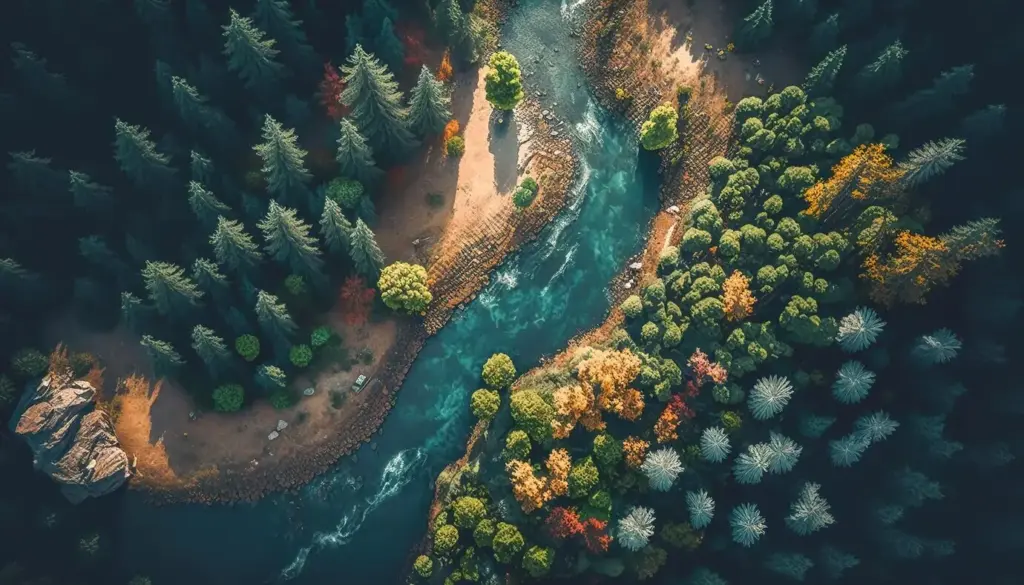
Anchoring in two hubs—say, Banff or Canmore for southern highlights and Jasper for northern vistas—reduces backtracking and compresses daily drives. Book one-way transfers along the Icefields Parkway with sightseeing built in, or secure a rental car early during high season. Central bases improve sunrise access to lakes and cut midday traffic. Ask guides which neighborhoods ease pickup logistics. Efficient geography keeps energy for trails, viewpoints, and wildlife watches rather than parking hunts or long return slogs.

Building Flex Days and Free Wonders

Flex days rescue trips from weather hiccups, smoke, or roadworks. Book big-ticket items with rescheduling options, then weave in cost-free gems—riverside walks, viewpoint pullouts, and local interpretive trails—to absorb delays gracefully. Sunrise intentions deserve a backup morning; golden light is fickle yet forgiving with patience. Invite your travel companions to vote on priorities so buffers protect what matters most. Subscribe for seasonal alerts, booking release reminders, and fresh itinerary templates tuned to evolving conditions.
Xapaxopifoxu
Privacy Overview

This website uses cookies so that we can provide you with the best user experience possible. Cookie information is stored in your browser and performs functions such as recognising you when you return to our website and helping our team to understand which sections of the website you find most interesting and useful.